Lions in the Paint: How Wales Named Its Pubs, and Why Ours Is Black
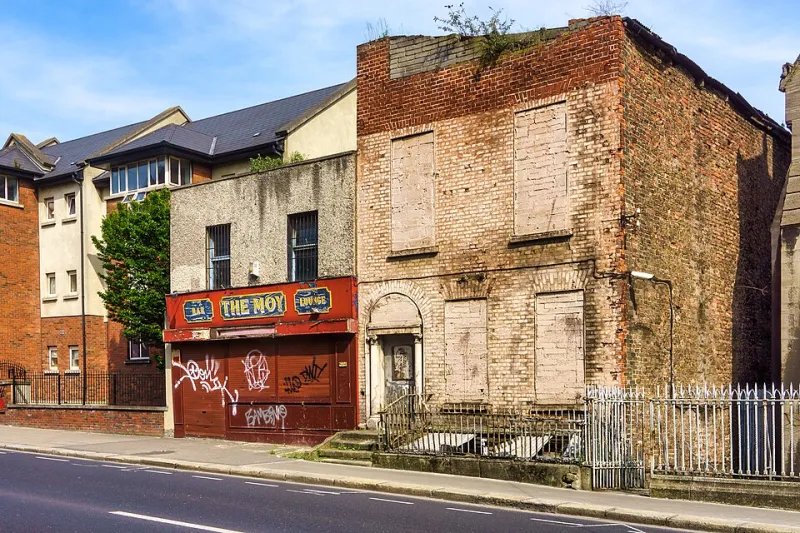
Photo: William Murphy, CC BY-SA 4.0, via Wikimedia Commons
Stand outside a pub for a minute before you go in. Not to check the opening times, though that too. Just look at the sign. In Wales you are looking at something with three or four centuries of habit behind it, a bit of heraldry, a bit of flattery, and a fair amount of pure guesswork.
A law from 1393 and a country that couldn't read it
In 1393, under Richard II, alehouse keepers were ordered to hang a sign outside their premises. Part of the point was identification — an alehouse could be found, inspected and taxed. Part of it was simply practical: a painted board with a recognisable image told a largely non-literate population what was inside and who was welcome.
That is why British pub names are so often pictures rather than words. The Bell, the Crown, the Ship, the Lion. You do not need to read to understand a lion.
The lion was never just a lion
Lions run through Welsh heraldry like a thread. The arms attributed to the princes of Gwynedd carry four lions, quartered gold and red. Owain Glyndŵr's banner is famous for its four lions rampant. The lion reads as authority, courage, a claim to something — and by the seventeenth and eighteenth centuries, when many of these signs went up, the local gentry were fluent in that language and keen to be seen using it.
So the usual explanation for a pub called the Black Lion runs like this: the landlord adopted the arms or the badge of the family whose land the inn stood on, or of the magnate he wanted to keep sweet. A sign was cheap flattery with a commercial edge. Name your pub after your landlord's crest and the landlord is considerably less likely to make your life difficult.
Why black, though?
A lion sable — black — is a recognised charge in British heraldry, and it turns up in the arms of any number of landed families across England and Wales. It is also, bluntly, a good piece of design. Dark paint on a pale board reads from a distance, and it reads particularly well by lamplight, which mattered enormously before street lighting was reliable. A black lion on a white ground is legible in the rain at dusk. Not every naming decision in Welsh history was a deep one.
In Welsh the pub is Y Llew Du — the black lion — and the name has travelled with the language. Tafarn y Llew Du. The Welsh naming habit is plain and descriptive, and it has a lovely habit of surviving: even pubs that have been English on the sign for a century are still the Llew Du to the people who live nearest to them.
A name sets the temperature of a room
What interests us most is not the heraldry but the effect. A name is a promise about atmosphere, and drinkers read it fast. Call a place the Black Lion and people arrive expecting dark wood, low beams, a fire that is actually lit, a floor that has been walked on and a menu that knows what it is doing. Nobody walks into a Black Lion expecting a cocktail list and a neon sign.
That expectation is a useful thing to live up to. It is also why the sign matters: it is the pub's face, repainted every decade or so, quietly saying what kind of house this is before you have opened the door. Ours says: come in, sit down, there is room for your boots.
Earning the pint: five historical stops within reach
A bit of history sharpens an appetite. These are the sorts of places worth pairing with an afternoon in the bar, and none of them require a sprint.
- Beaumaris Castle and the old courthouse. Edward I's unfinished masterpiece, and a town that once planned a street grid to rival anywhere in Europe. The courthouse next door is a small, strange, excellent museum.
- Penmon Priory and the dovecote. A monastic site with a Saxon cross and a stone dovecote that looks like a beehive with ambitions. The views across the Menai Strait do most of the work.
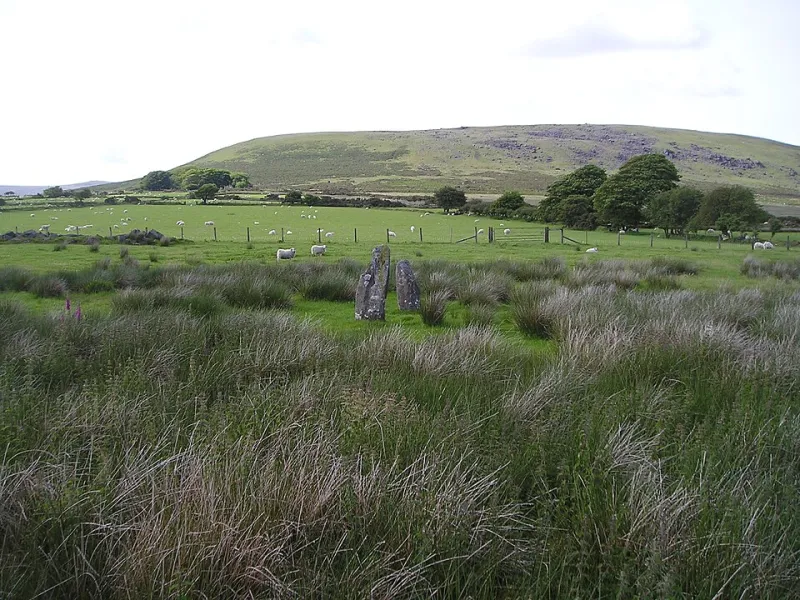
- Bryn Celli Ddu. A passage grave on a low mound, with a chamber aligned to the midsummer sunrise. Go early, go quiet, take a torch.
- Barclodiad y Gawres. A cairn on the coast with carved stones inside, and a beach below it that empties spectacularly at low water.
- The Menai Bridge. Telford's 1826 suspension bridge, still carrying traffic and still, at certain angles in low light, faintly absurd in how elegant it is.
Back to the bar
Here is the thing about a pub with a history. It is not a museum. Heritage is only worth anything if the beer is looked after and the welcome is real.
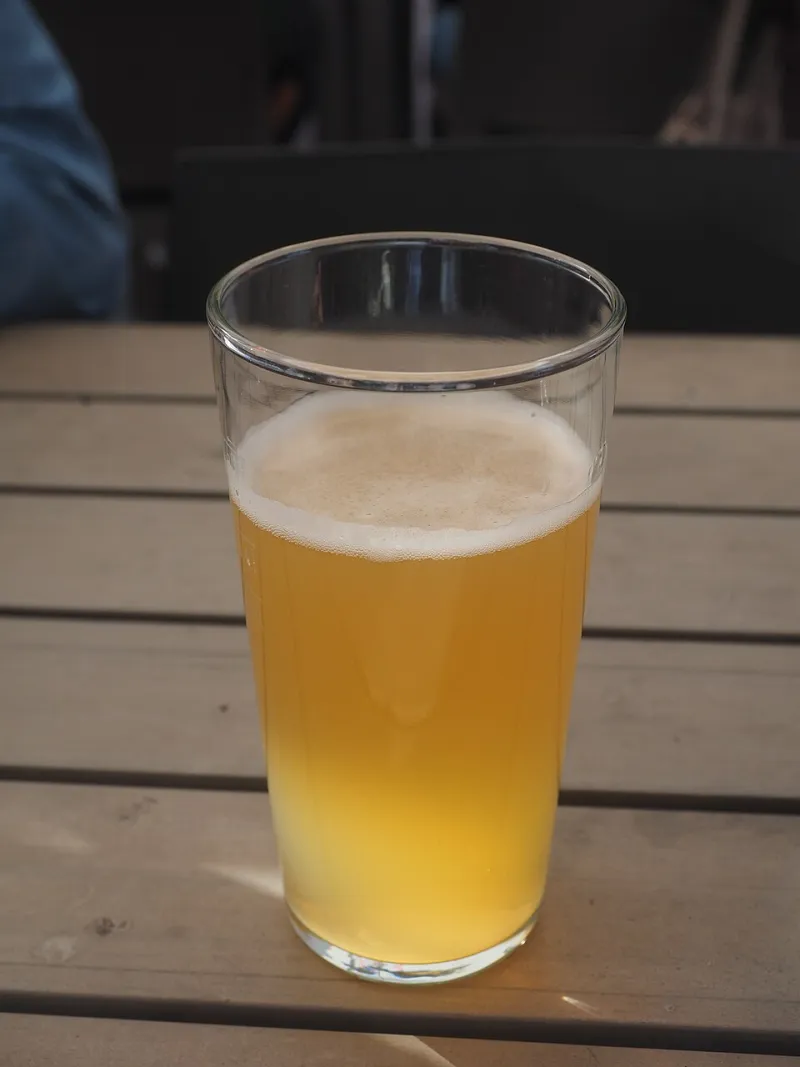
Which brings us to the pint. A well-kept cask ale should be served at cellar temperature — somewhere around 11 to 13°C — not freezing, not warm. It needs a proper head. It needs a glass that has been rinsed. It needs the person pouring it to let it settle for the thirty seconds it takes rather than topping it up in one hurried go. None of that is ceremony. It is just the difference between a pint and a pint done properly.
So look at the sign on your way in. Then come inside, order something with a bit of condition on it, and give the lion its due.