Five Old Stones and One Good Lunch: An Ancient Anglesey Day Out
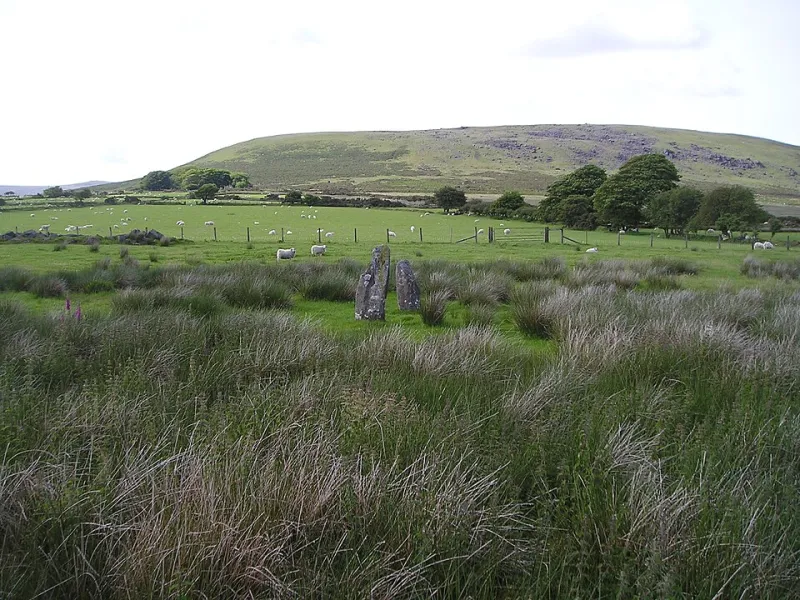
Photo: Marion Phillips , CC BY-SA 2.0, via Wikimedia Commons
Anglesey is one of those places where you cannot really avoid history. Turn a corner and there is a burial chamber in a field. Follow a footpath and you are standing in somebody's Iron Age front room. The good news is that none of it requires a guidebook the size of a brick or a degree in archaeology. You just need a car, decent shoes, and a plan that ends with a plate of food.
So here is the plan. Five sites, spread loosely around the island, none of them a slog, all of them better than you expect. Do them in any order — or cherry-pick three and take the morning slowly.
1. Beaumaris Castle — the Big Set Piece
Start here if you want the history with the walls still standing. Beaumaris is the last and arguably the most ambitious of Edward I's Welsh castles, and the great unfinished thing about it is what makes it interesting: the money ran out, the rebellion kicked off, and the outer defences were never finished. What you get is a near-perfect concentric design and a moat that photographs beautifully in winter light.
It is a Cadw site with an admission charge, so check opening times before you set off — out of season it runs shorter days. Give it an hour, climb the towers, and walk the ramparts. Then have a wander through the town itself, which is one of the nicest small towns in North Wales and does not need to apologise for it.
Practical bit: car parks on the edge of town, all a short walk from the castle. Roughly half an hour's drive back towards the pub.
2. Bryn Celli Ddu — the Tomb That Catches the Light
This is the one to see if you only see one. A passage tomb in a grassy mound, aligned so that the rising sun at midsummer sends a shaft of light down the passage and onto the back wall. It is an old, old piece of engineering and it still works.
What people miss is the setting. The mound sits in a low field with a ditch around it, and there is a standing stone and the remains of a henge nearby, plus a rather lovely carved replica inside that gives you an idea of what the original patterns looked like. The path in from the lane is short and level, though it does get muddy in the wet months.
Practical bit: free, open at reasonable hours, small lay-by parking, no facilities. Twenty minutes here if you are brisk, an hour if you sit down.
3. Barclodiad y Gawres — the Grave Above the Sea
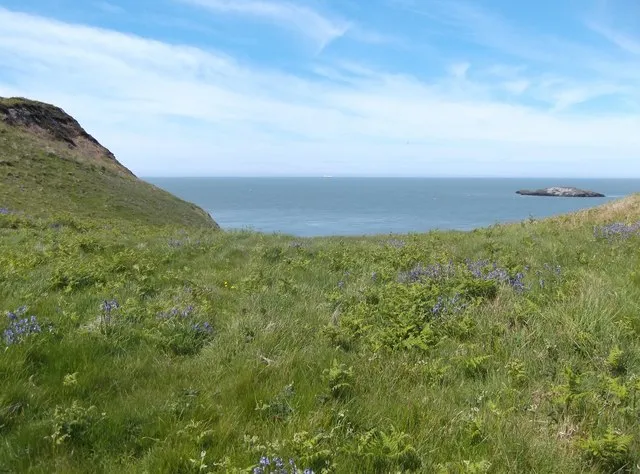
Perched on a headland above the water, this is the most dramatic location of the lot. The mound itself is a reconstructed chambered tomb, and the real draw is the setting: gorse, sea, and a view that makes you understand why somebody chose this spot about five thousand years ago.
Be aware that the passage and chamber are sometimes gated, with interior access limited, so treat the outside as the main event rather than a consolation prize. The coastal path around the headland is superb and gives you a proper leg-stretch before lunch.
Practical bit: park at the nearby beach car park and walk up. Half a mile or so, a bit of a pull but nothing serious. Windy in almost all weathers.
4. Din Lligwy and Lligwy Burial Chamber — the Two-for-One
These two sit within a few minutes of each other, which makes them the most efficient stop on the list. Din Lligwy is a walled Romano-British settlement: low stone foundations, a couple of roundhouses, a rectangular building that might have been a workshop. It is not grand, and that is exactly why it is good — you can see how a ordinary farming community lived and worked.
A short walk away is Lligwy Burial Chamber, which is essentially a colossal capstone resting on a handful of uprights. It looks like it should not be physically possible. There is something about the scale of the thing that lands better than any interpretation board.
Practical bit: small car park on the lane, small admission charge at Din Lligwy (check Cadw before you go), short level-ish walks to both. Allow an hour for the pair.
5. Penrhos Feilw — the Stones Nobody Queues For
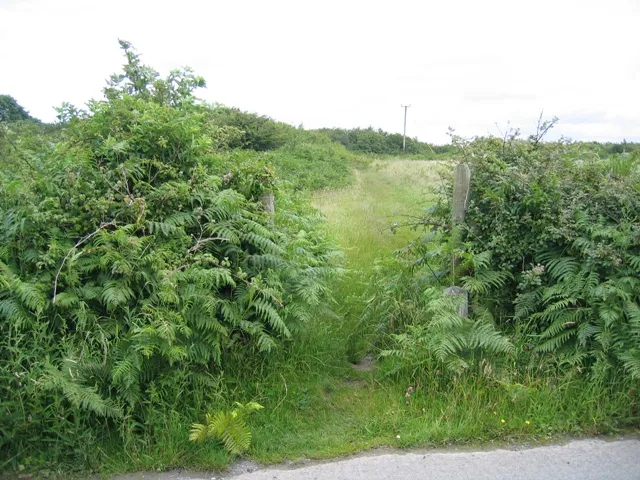
Two standing stones, roughly nine feet tall, standing in a field with a footpath running past them and views across to Holyhead Mountain. There is no visitor centre, no car park, no fanfare. You park considerately on the lane, walk a few minutes, and have the place to yourself.
This is the antidote to castle crowds. Bring a flask, stand still for five minutes, and try to imagine the landscape with none of the roads, hedges or telegraph poles. It is harder than it sounds.
Practical bit: free, always accessible in practice, muddy gateways. Combine it with a walk on Holyhead Mountain or a look at the Ty Mawr hut circles if you have the legs.
Getting Back for Lunch
None of these are far apart. Anglesey is small enough that a scattergun morning still lands you back at the Black Lion in time for a proper sit-down. The trick is not to over-schedule. Two or three sites done unhurriedly beats five done at a jog, particularly when half the pleasure is standing in a field listening to the wind.
Book a table if you are coming at a weekend. Winter Sundays in particular fill up with people who have had exactly the same idea as you.
Notes for a 2026 Day Out
- Footwear matters more than you think. Grass paths and gateways hold water from October to April.
- Check Cadw opening hours for the paid sites; seasonal timetables shift and bank holidays catch people out.
- Bring cash-free patience. Some rural car parks are pay-by-phone with patchy signal — download the app at home.
- Keep dogs on leads around livestock, and shut every gate you pass through.
- Do not climb on the monuments. It sounds obvious. It happens constantly.
- Fill up with fuel before you head west. Petrol stations thin out quickly after dark.
History without the homework, then. Five stops, no lectures, and a lunch at the end of it. That is a decent day out by anyone's standards.