Ruts and Relays: The Coaching Road Across Anglesey, Then and Now
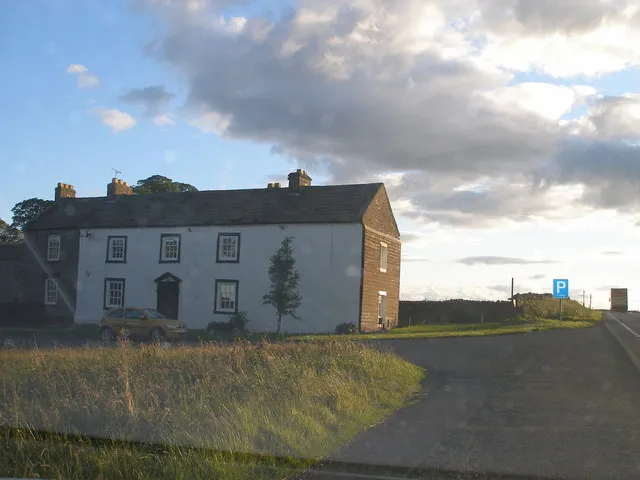
Photo: Carol Rose, CC BY-SA 2.0, via Wikimedia Commons
There is a stretch of road near Llanfairpwll where the modern carriageway runs so close to the old one that you can almost see the ghost of a mail coach in your wing mirror. It is a strange thought: two centuries ago, the journey from London to Holyhead took the best part of two days, with a change of horses every dozen miles and a coaching inn at the end of each stage. Today you can do it in a car before lunch. But the older road has not vanished entirely. It is still there in the bends, the milestones and the pub walls — if you know where to look.
The Road Before the Road
For most of the eighteenth century, getting to Holyhead was a grim business. The route across Anglesey was a patchwork of parish tracks and turnpike roads, often muddy, sometimes impassable, and entirely at the mercy of the weather. Travellers heading for the Irish ferry would set off from Shrewsbury or Chester with a sense of dread, knowing that the final miles across Ynys Môn could undo all the good progress made before them.
That began to change in the 1810s, when Thomas Telford was handed the job of rebuilding the road from London to Holyhead. His masterpiece — the Menai Suspension Bridge — opened in 1826, and with it came a new era of coaching. The mail coach from London could now reach the ferry in around twenty-seven hours, a startling speed for the time. Anglesey was no longer a hurdle; it was a corridor.
What the Mail Coach Left Behind
The coaching age did not last long. Within twenty years, the railways had begun to steal the mail and the passengers, and the old inns that had once hummed with ostlers, farriers and hungry travellers were left to find new trades. But they left their mark on the island in ways that are still visible today.
Look at the wide archways in the yards of some of the older pubs — built to let a coach and four swing through. Look at the sheer size of the former coaching inns along the old route, with their long stable blocks and their generous doorways. Place names tell the story too: references to turnpike gates, to 'mail' and to 'coach' linger in field names and farm tracks. And then there are the milestones — those squat, weathered stones that still stand at the roadside, some with the distance to Holyhead chiselled into them, as if the road itself were keeping score.
The Black Lion is part of that same world, even if its own coaching days are long behind it. Pubs like ours were the original service stations: a bed, a hot meal, a stable for the horse and a bit of gossip for the road. The building may have changed, but the rhythm of hospitality has not.
Following the Ruts Today
You do not need a horse to retrace the old road. A short drive or a decent walk will take you along sections of the historic route, especially where the modern A5 has bypassed the older alignment. Start near the Menai Bridge and follow the old road through Llanfairpwll, where the sense of arrival is still palpable — the water on one side, the hills on the other, and the knowledge that Holyhead is ahead.
For walkers, the old road offers a gentler pleasure: hedgerows, stone walls, and the occasional glimpse of the sea. It is not a formal trail, but a patchwork of lanes and footpaths that can be joined together for an afternoon. The best approach is to pick a short section — say, between one village and the next — and treat it as a slow wander rather than a route march. You will notice more that way: the camber of the road, the way it dips to a stream, the old inn signs that still creak in the wind.
And if you are driving, resist the urge to rush. The old road rewards a lower gear. Pull over where it is safe, read a milestone, look back the way you came. You are following the same line that carried the mail, the soldiers, the emigrants and the merchants — all of them heading for the same ferry you can still catch today.
Supper at the End of the Line
Every coaching journey had a final stage, and ours does too. After a day spent chasing the old road across the island, there is something deeply satisfying about returning to the Black Lion, boots off, and settling in for supper. The menu may not feature jugged hare or a tankard of small beer, but the spirit is the same: good food, a warm room and the sense that you have arrived somewhere worth arriving at.
It is easy to romanticise the coaching age — the reality involved a lot of mud and discomfort — but the basic need it served has not changed. Travellers still want a decent meal and a comfortable bed at the end of a long journey. The road may be faster now, but the welcome is just as important. And on a dark November evening, with the fire lit and the plates coming out of the kitchen, it is hard not to feel that the old road knew what it was doing after all.