The Three O'Clock Exhale: Anglesey's Quietest Hours, and Why They're Worth Keeping
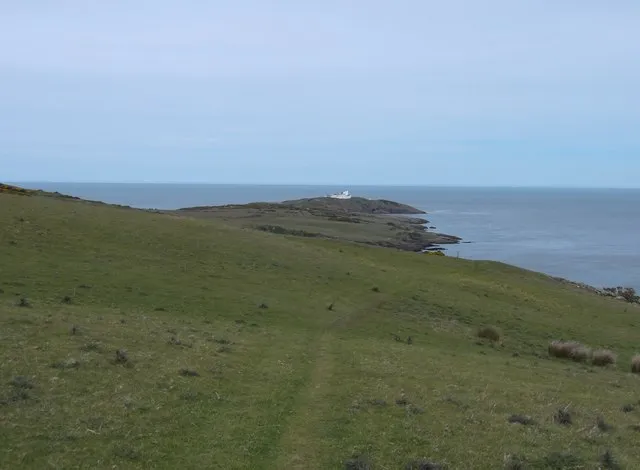
Photo: Eirian Evans , CC BY-SA 2.0, via Wikimedia Commons
There is a particular sound a pub makes at about ten past three. The last lunch plates have gone back, the coffee machine has stopped its hissing, and someone has finally remembered to turn the music down a notch. On Ynys Môn, that moment tends to arrive with a view of moving water and a bar that suddenly has room to breathe. It is not closing time. It is not quite dinner. It is the bit in between, and it may be the most underrated part of a pub-and-stay break.
At the Black Lion, the afternoon lull is not an inconvenience to be filled with more menus or louder playlists. It is a proper pause in the day. The tide keeps doing its thing regardless. The light starts to lean. Anyone who has walked a headland at four in the afternoon knows that this is when the coast path stops being a route and starts being a place.
When the Plates Go Quiet
A good pub day has a rhythm. Breakfast is brisk, lunch is busy, dinner builds again. The stretch between roughly 3pm and 6pm is the exhale. Chairs get pushed back. Someone reads the paper. A dog settles under a table with the air of an animal that has been waiting all day for this exact patch of floor.
For guests staying over, this is the golden window. You have already checked in, or you soon will. You have walked off lunch, or you are about to. You are not yet thinking about where to eat dinner because you already know. The pressure is off. That is a rare thing on a short break, when the temptation is to treat every hour like a sightseeing shift.
The case for doing less is strong. Anglesey does big views and dramatic weather beautifully, but it also does small, ordinary afternoons with real skill. The in-between hours are when you notice them.
The Tide Doesn't Take an Afternoon Off
One of the pleasures of basing yourself at a pub by the coast is that you can follow the day rather than a timetable. The sea is the timetable. Between lunch and dinner, the tide may be sliding out to reveal a wider beach, or creeping back over the rocks with that soft, clinking sound. Either way, it is worth a look.
A simple plan works best. Leave the Black Lion with no more than a waterproof, a pair of boots and a vague sense of direction. Follow the lane towards the coast, pick up the path, and give yourself an hour and a half. That is enough for a headland loop, a bit of standing about, and a return before the bar fills again. You do not need a route map for every step. A glance at the OS map on your phone and a look at the sky will do for most afternoons.
If the tide is low, the reward is space. Pools, ribs of sand, the smell of weed and wet stone. If it is high, the reward is energy. Waves hitting a familiar ledge, gulls making a fuss, the sense that the coast is doing something even when you are not.
A Headland Walk for the In-Between
The best afternoon walk is not the longest one. It is the one that gets you back before the light goes completely and leaves you hungry rather than knackered. From the pub, aim for a nearby headland rather than a summit. Headlands suit the lull. They are edges, not destinations. You can walk to the end, look at the water, and turn round without feeling you have missed a plaque or a viewpoint.
Go at a talking pace. Stop when the view asks you to. On a clear day, the mountains may show themselves across the water; on a grey one, the whole thing can feel like a watercolour left out in the rain. Both are good. The point is not to bag a route. The point is to let the afternoon do its work.
Back at the pub, boots off, drink in hand, there is still time before dinner. That is the other joy of the in-between: it makes the evening feel earned without making it feel rushed.
Rain, Wind and the Case for Staying Put
Not every afternoon will invite you outside. Anglesey is not a place that promises dry weather, and a pub break should not pretend otherwise. When the wind is up and the rain is coming sideways, the lull moves indoors. That is not a failure of the day. It is the point of having a pub as your base.
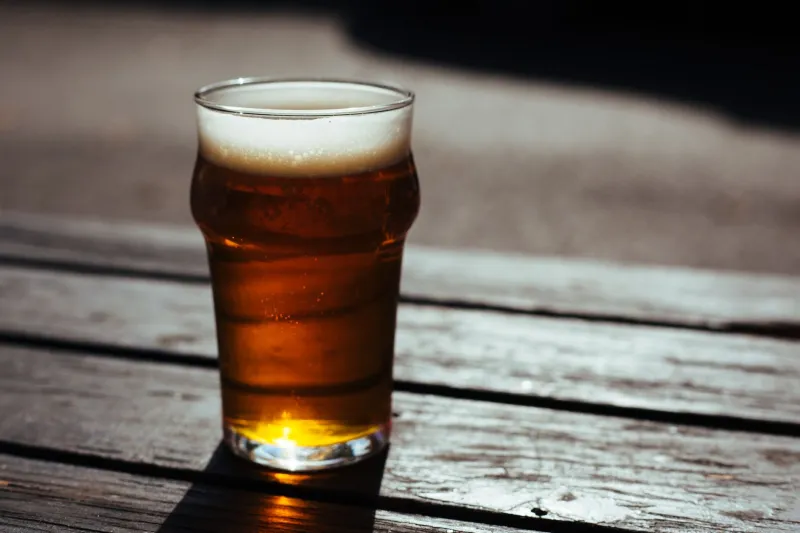
A few suggestions for a wet in-between: claim a corner seat, order something warm, and give yourself permission to read for an hour. Play a board game badly. Ask about the local ales. Look at the map and plan tomorrow's walk instead of today's. If you are staying the night, this is also the ideal time for a nap that you will later describe as a rest.
The Black Lion's bar is not a waiting room between meals. It is a place to be. The lost hours are lost only if you spend them wishing you were somewhere else.
Seasonal Notes for the Lull
In winter, the 3pm to 6pm window is short and blue. Go out early, come back before dark, and treat the fire as part of the walk. In spring, the light lasts longer and the lanes start to smell of growth; a late-afternoon loop can stretch to two hours without anyone noticing. Summer afternoons are for shade, sunscreen and the kind of slow wandering that makes dinner seem like a distant rumour. Autumn is the best of the lot for this sort of thing: cool enough to walk, bright enough to linger, dark enough by five to make a pint feel well earned.
Whenever you visit, check the pub's opening times before you build a plan around them. The in-between hours are for flexibility, not assumptions.
Back Before the Rush
The afternoon lull ends quietly. A few more cars in the car park. A table being wiped. The smell of dinner beginning to drift from the kitchen. You come in from the headland with salt on your boots and the day still in your face, and there is a seat waiting.
That is the Black Lion's lost hours in a nutshell. Nothing dramatic happens. The tide moves, the light changes, the pub exhales. You go for a walk and come back. It is not the headline act of an Anglesey break, but it may be the part you remember when you are back at work, wondering why the afternoon felt so long.