The Low-Tide Window: A Cove Walk From the Black Lion’s Doorstep

Photo: quiet cove low tide Anglesey Wales coastal path walking boots, via www.pinclipart.com
Some walks are about bagging a summit. This one is about catching a window. On our stretch of the Ynys Môn coast, low tide changes everything: sand appears where water was, rock pools open up, and a quiet cove that looks closed off at high water suddenly invites you in. The trick is to start and finish at the Black Lion, walk with the tide rather than against it, and make sure lunch is booked for the right side of the day.
Why the tide is the whole point
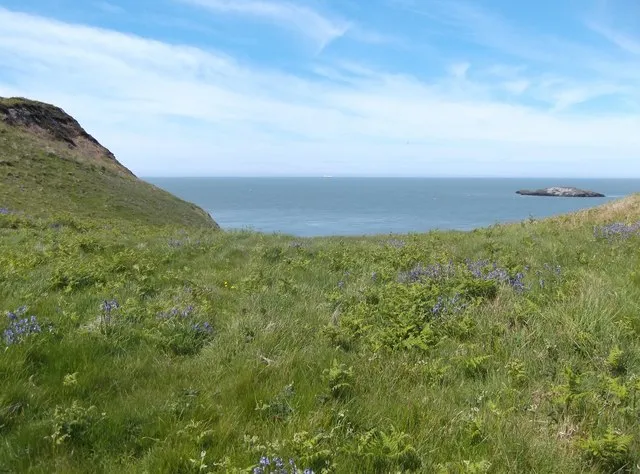
The cove on this route — Porth Trwyn, on the quieter western edge — is not a secret, but it is a place that rewards timing. At high tide it’s a narrow strip of shingle and rock. At low water the beach opens into sand, shallow channels and pools. The difference is not subtle. Aim to be at the cove roughly two hours either side of low tide, and give yourself a buffer. Tide tables are predictions, not promises, and weather can push water higher than expected.
Use the Holyhead tide table for the day, check it the night before and again at breakfast. If the timings don’t work, don’t force it. Walk the coast path anyway, enjoy the clifftop views and save the cove for another day.
Route at a glance
Start and finish: Black Lion, Anglesey. Distance: around 4 to 5 miles there and back, depending on your exact line. Time: 2.5 to 3 hours with stops. Terrain: lanes, field paths, coast path, uneven ground and a short beach section. Difficulty: moderate — not long, but muddy in places and exposed near the coast. Map: OS Explorer 262 covers this part of Anglesey; a phone map is useful but not a substitute for knowing where the tide is.
Step by step
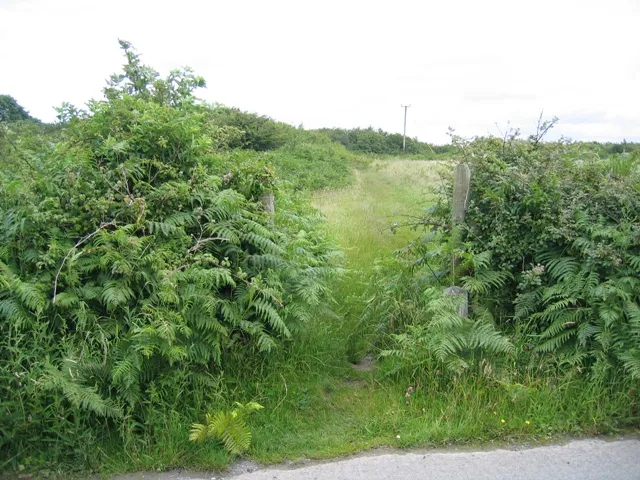
From the pub door, take the lane towards the coast. You’re looking for the acorn waymarks of the Wales Coast Path. The early section is a gentle warm-up — hedges, fields and the occasional gate — before the path opens out and the sea comes into view.
Follow the coast path west, keeping the water on your left if you’re heading out. The walking is straightforward but not always smooth: expect muddy patches, stones and the kind of short steep pulls that make you glad you wore boots. When you reach the cove, don’t rush straight onto the sand. Stop, look at the water line and check that the tide is still doing what you expected. If the sea is already pushing back in, stay high and enjoy it from the path.
At low water, drop down to the cove and give yourself 30 to 40 minutes to explore. Rock pools, shells, the odd curious seal offshore — it’s the sort of place that makes adults crouch down and poke at things. Keep your distance from wildlife, especially seals hauled out on rocks. If a seal is watching you, you’re probably too close.
Return the same way, or extend slightly along the coast path if the light and tide allow. Then head back to the Black Lion for a late lunch. Check kitchen times before you set out — winter hours can be shorter than summer ones — and book a table if you’re walking at a popular weekend time.
What to pack
Boots with grip, waterproof jacket, warm layer, hat and gloves. Water and a snack. A charged phone and, ideally, a paper map or offline map. Dog owners: lead, poo bags and fresh water. A small towel is useful for wet paws and wet children. In winter, a headtorch is sensible even for an afternoon walk — the light goes early and the lanes are dark.
Dogs and local rules
This is a good dog walk, but not a free-for-all. Keep dogs on leads around livestock and on the cliff sections. Check signs for seasonal restrictions and ground-nesting birds. Don’t let dogs wander into rock pools unsupervised — tides and slippery rocks are not a good mix. And do pick up after them. The coast path is someone’s workplace and someone else’s doorstep.
Back at the fire
The best bit of a tide-timed walk is the ending. Boots off, dog settling under the table, a local ale or a pot of tea depending on the hour. Order something warm and generous. You’ve earned it, and the cove will still be there tomorrow — waiting for the water to pull back again.